
News
CES 2026: RedSky’s Takeaways

CES 2026 Quietly Redefined What “Innovation” Means
Walking the floor at CES 2026, what stood out wasn’t just what technology can do, it was who it’s now being designed for, and how quietly it’s integrating into everyday life. Beneath the flashiest demos, the show revealed a more mature reality: technology is shifting from novelty to infrastructure, from standalone devices to embedded systems, and from performance optimization to quality-of-life amplification.
Here are our top takeaways from CES 2026.
1. AI Moves From Feature to Assumption
Agentic AI, wearables, and robotics dominated the show, but with a clear evolution. Innovation is becoming practical, specific, and quietly helpful rather than performative.
AI showed up inside mobility systems like the Ascentiz H1 Pro, which adapts assistance in real time to terrain and user movement. It appeared in recording pendants like Plaud NotePin S and SwitchBot AI MindClip, converting conversations into summaries without screens or friction. It even surfaced in smart rings like Pebble Index 01, enabling thought capture with a single press.
What this means for brands:
AI is no longer a point of differentiation. It’s assumed. Advantage now comes from where AI lives, how seamlessly it integrates, and how little effort it demands. The brands that win won’t talk about AI, they’ll make people forget it’s there.
2. Health & Wellness Shifts Toward Longevity and Life Expansion
Health and wellness at CES was less about fixing problems and more about expanding what life feels like as we age.
Mobility solutions weren’t framed as assistance, they were framed as freedom. Lightweight, AI-enabled systems embedded directly into pants allowed people to walk farther, climb stairs, and travel more adventurously, without anyone knowing they were wearing support. Hearing enhancement glasses amplified voices in social settings without the stigma of hearing aids.
Healthcare delivery itself became more efficient and accessible: holographic doctor visits, guided in-home physical therapy, and passive monitoring systems designed to meet people where they are.
- Samsung previewed Brain Health for Galaxy wearables, identifying subtle cognitive changes early, not to alarm users, but to enable proactive longevity strategies.
- Withings expanded the role of the scale into cardiovascular and metabolic insight, supporting long-term health trajectories rather than short-term goals.
What this means for our health, wellness, and longevity clients:
This isn’t about avoiding decline, it’s about living better for longer. The opportunity lies in technologies that disappear into life while expanding what’s possible. Seamless integration, dignity, and empowerment matter more than dashboards or alerts.
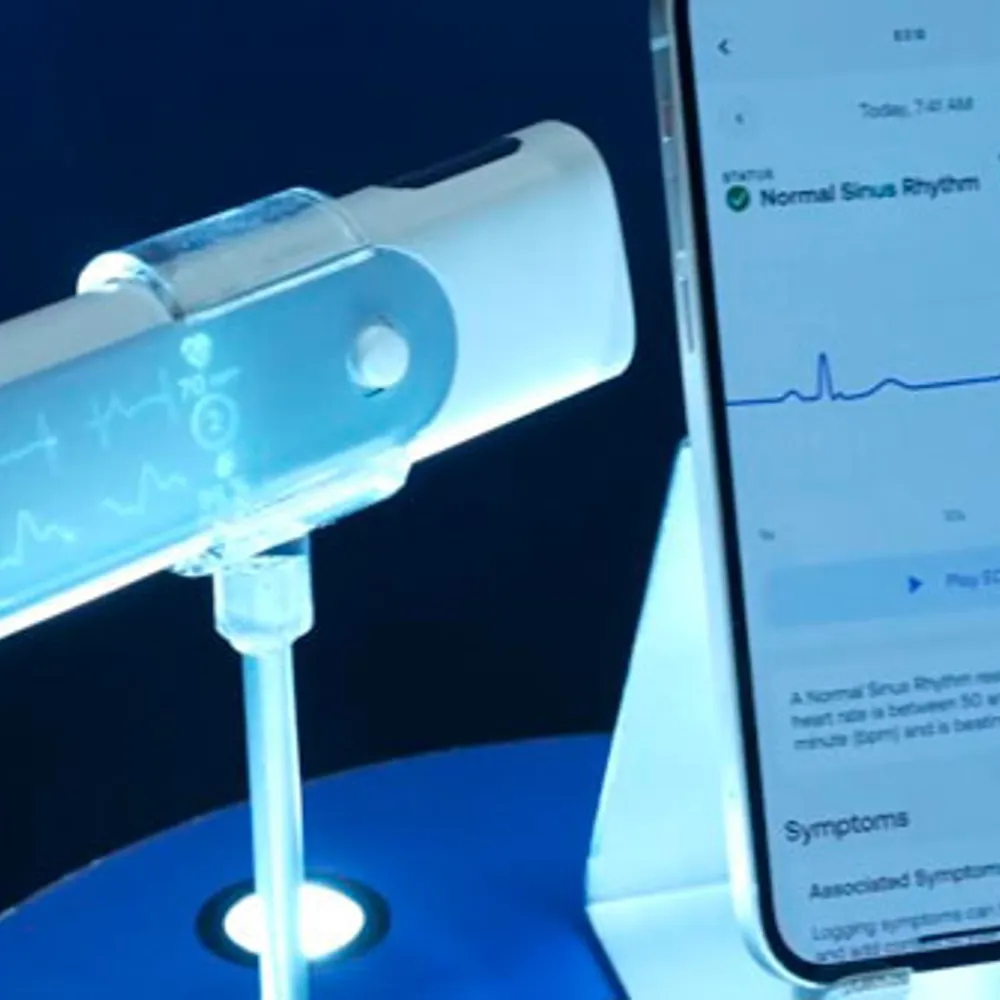
Image Credits: Withings Body Scan | CES Success Stories
3. Beauty Becomes Medicalized
Beauty tech continued its evolution into a legitimate wellness and longevity category.
- L’Oréal unveiled an ultra-thin LED face mask using red and near-infrared light, signaling how clinical-grade treatments are becoming everyday rituals.
- Sunbooster reframed light exposure as daily biological support, not indulgence.
- Nuralogix’s Longevity Mirror turned a selfie into health and aging insights in seconds.
What this means for our beauty and CPG clients:
Beauty is no longer just about appearance, it’s about maintenance, resilience, and aging well. The competitive set now includes wellness and med-tech, raising expectations around evidence, credibility, and long-term benefit.

Image Credits: NuraLogix’s AI-powered mirror uses a selfie video to estimate heart health, metabolic health and biological age in about 30 seconds. (Source: FOX News)
4. Memory, Analytics, and Cognitive Load Relief
AI recording devices filled a critical gap before smart glasses mature, not as productivity tools, but as cognitive offloading systems.
Brands like Plaud, Vocci, Subtle, Nirva, and SwitchBot showcased rings, pendants, and ear-worn devices that quietly record life and return it as summaries, reminders, or searchable memory.
What stood out wasn’t the tech, it was the positioning. These products weren’t about doing more. They were about thinking less.
What this means for finance, productivity, and insights-driven sectors:
As people outsource memory and attention, trust becomes the product. Ownership, privacy, and meaningful retrieval will matter more than raw capability. The winners will reduce mental burden without increasing digital noise.
5. Emotional Companionship Goes Multi-Demographic
One of the most striking expansions at CES was emotional companionship, designed for very different life stages, but built on the same core need: connection.
- Cocomo offered non-verbal companionship through sound and motion, prioritizing presence over realism.
- Yonbo targeted children, helping regulate emotion and frustration through play.
- Tombot’s Jennie supported dementia care with comfort rather than simulation.
- Tuya introduced Aura, interpreting pet emotions and reporting them to owners.
- Holographic companions and service robots expanded the idea of connection beyond physical form.
What this means for our mental health, caregiving, and wellness clients:
Emotional support is being productized, not to replace humans, but to fill gaps between interactions. Designing for emotional stability, dignity, and trust will define this category.

Image Credits: Yonbo X1 companion robot (Prakhar Khanna, Forbes)
6. Energy Becomes Smaller, Smarter, and More Embedded
Energy didn’t show up as a new category, it showed up as better infrastructure.
- EcoFlow highlighted tighter ecosystem integration, while innovations like paper batteries and ultra-compact storage signaled where the category is headed.
What this means for our energy, mobility, and finance clients:
Energy is becoming quieter, smaller, and more deeply embedded into other innovations. The opportunity lies in enabling seamless integration, powering experiences without being seen.
7. Healthy Aging Becomes A Dominant Design Lens
Rather than “elder tech,” CES reflected a broader shift toward healthy aging.
Backed by organizations like AARP, innovations focused on helping people stay in their homes longer, move confidently, and remain socially connected. Notably, there were far more breakthroughs aimed at aging well than at babies or early childhood.
What this means across sectors:
Aging is no longer a niche audience, it’s a universal trajectory. Brands that design for dignity, independence, and longevity will find relevance far beyond traditional “senior” segments.
The Bigger Question CES Ultimately Raises
Rather than ending with a numbered takeaway, CES 2026 leaves us with something more fundamental:
As technology quietly takes over more of the mechanics of living (monitoring sleep, supporting movement, capturing memory, offering companionship) – what remains uniquely human?
- Which parts of the human experience should never be automated?
- What do we protect, even as we optimize?
- And how do we design technology that supports humanity rather than replacing it?
CES 2026 made one thing clear:
The future of consumer technology isn’t being shaped only by younger users chasing novelty. It’s being driven by aging populations, rising costs, labor shifts, and a desire for tools that quietly make life easier, longer, and more manageable.